

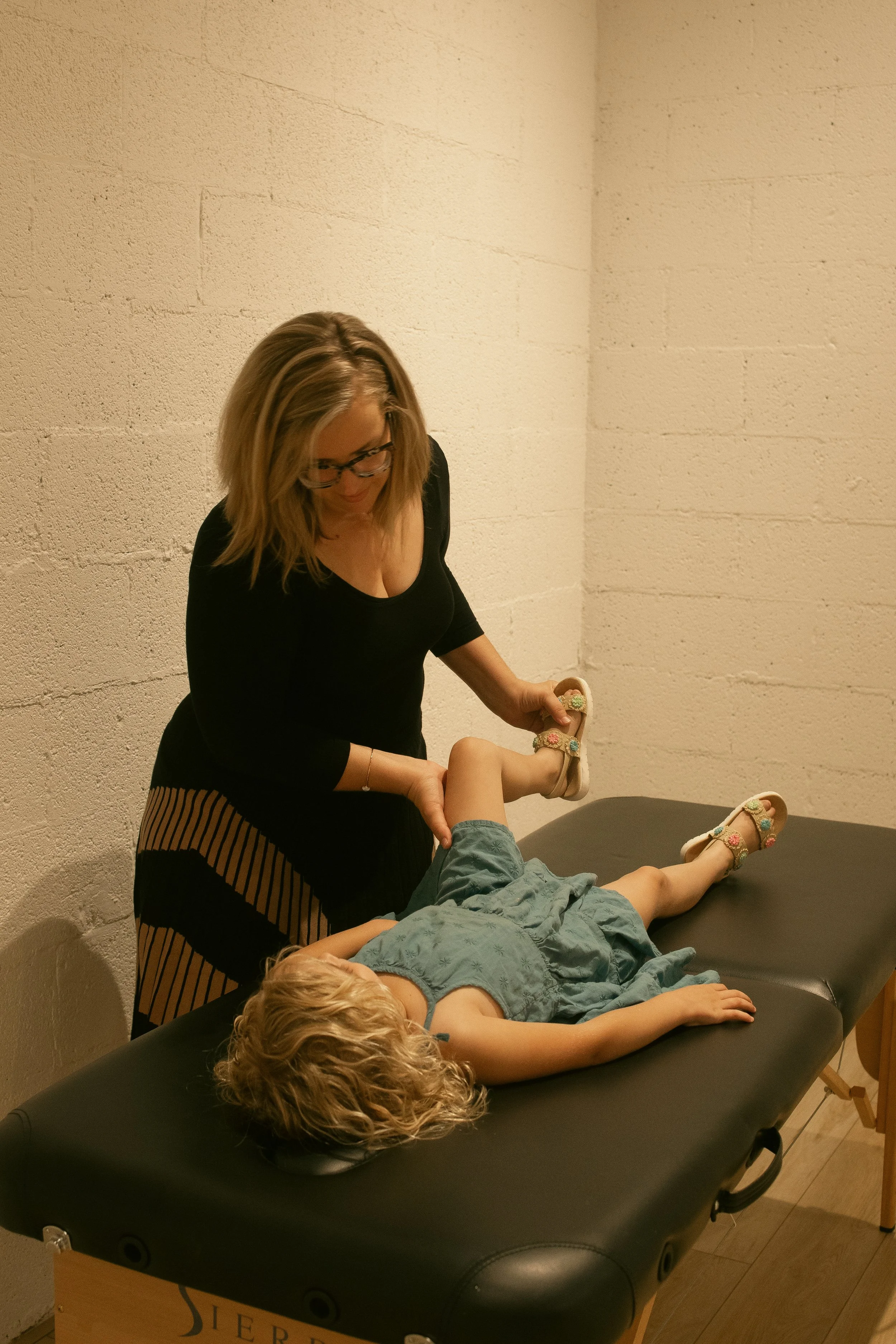
Craniosacral Fascial Therapy (CFT)
Tension Relief to Help Your Body Move, Rest, and Heal
Non-invasive therapy designed to release deep structural tension, improve mobility, and optimize whole-body function for infants, kids, and adults.
Why Choose Craniosacral Fascial Therapy?
Eases Physical Tension & Discomfort
Improves Airway & Breathing Capacity
Supports Feeding & Oral Mobility
Enhances Sleep & Nervous System Calm

How CFT Can Support You
Support Across the Lifespan
-
Nursing/latch difficulties and feeding frustration
Unexplained fussiness, colic, or tension in the body
Torticollis (tight neck) or preferring to turn the head to one side
Preparation for or recovery from a tongue/lip tie release (frenectomy)
-
Mouth breathing, snoring, or restless sleep patterns
Jaw tightness, teeth grinding, or head headaches
Postural strain and body stiffness
Discomfort from orthodontic appliances or palatal expanders
Preparation for or recovery from a tongue/lip tie release (frenectomy)
-
Chronic TMJ pain, jaw popping, or facial tension
Neck, shoulder, or back tightness that won't release
Headaches, clenching, or chronic stress strain
Difficulty finding deep, restful sleep

BREATHE • EAT • SLEEP • TALK •
BREATHE • EAT • SLEEP • TALK •
Muscles don't work in isolation.
The Bridge Between Muscle & Tension: MYO + CFT
If physical restriction or tension exists in the head, neck, or mouth, muscles cannot easily adopt new habits.
That’s why we often combine Myofunctional Therapy (MYO) with Craniosacral Fascial Therapy (CFT). CFT releases tight fascial strain throughout the body, allowing your tongue and jaw to move freely. Once that tension is lifted, MYO exercises retrain those muscles for lasting, comfortable results.
Why CFT and Myo?
1
Holistic Healing and Fascia Release with CFT:
CFT is a holistic therapy that focuses on releasing tension within the fascia, the connective tissue that surrounds muscles, organs, and bones. By relieving these restrictions, CFT helps to enhance the body’s natural healing processes, promoting better function and overall well-being. In the context of myofunctional therapy, releasing fascial tension can significantly improve the outcomes of treatment by ensuring that the muscles and tissues in the face, mouth, and throat are free to move and function as intended.
2
Enhancing Myofunctional Therapy outcomes:
Myofunctional therapy targets issues such as tongue thrust, improper swallowing, TMJ dysfunction, and mouth breathing by retraining the muscles of the face, mouth, and throat. CFT complements this process by addressing underlying fascial restrictions that may be limiting muscle function. By integrating CFT into myofunctional therapy, the two therapies work synergistically to create a more effective and comprehensive treatment plan, leading to more sustainable results in oral function and overall health.
3
Support During Orthodontic Treatment and Frenectomy:
CFT is particularly beneficial for individuals undergoing orthodontic treatment or frenectomy procedures (the release of tongue or lip ties). There has also been significant impact on those suffering from TMJ pain/ discomfort. CFT can help prepare the craniosacral system and fascia for changes, reducing tension and promoting faster, more effective healing. When combined with myofunctional therapy, CFT ensures that the structural changes made by orthodontics or frenectomy are supported by optimal muscle and tissue function, reducing the risk of relapse and enhancing long-term oral health.
Getting Started is Simple
Step 1:
Free Inquiry Call
Tell us what’s going on and ask any initial questions.
Step 2:
Comprehensive Evaluation
We evaluate whole-body function and build a plan.
Step 3:
Begin Therapy
Receive personalized, compassionate care designed to help you thrive.
FAQs
-
Craniosacral Fascial Therapy (CFT) is a holistic, hands-on therapeutic approach designed to release tension within the body's fascial and craniosacral systems. CFT blends the two established modalities of Dr. William Sutherland's Cranial Sacral Therapy and John Barnes' Myofascial Release, along with dental techniques developed from Dr. Gillespie’s experience as a periodontist. By addressing restrictions in the fascia and craniosacral system, CFT helps to restore balance and function to the body, promoting overall wellness.
-
Fascia is a network of connective tissue that runs throughout the body, providing support and structure. When this tissue becomes tight or restricted due to injury, stress, or trauma, it can lead to pain and dysfunction. CFT involves gentle manipulation to release these fascial restrictions, allowing the body to move more freely and function more effectively.
-
This system involves the membranes and fluid surrounding the brain and spinal cord. Proper function of this system is crucial for overall health and well-being. CFT works to ensure that this system is free from restrictions, promoting optimal fluid flow and neurological function.
-
B.E.S.T. does not accept insurance, all services are private pay. Reach out today to review our intake packet and learn more.
-
Yes. Reach out today for our free consult about getting started.
Looking to book a 1:1 consult with Jeannie on a specific topic? Let us know in your inquiry form, and we can book an in-depth consult instead!

Our Goals in Myofunctional Therapy
Releases Tension
CFT is designed to release deep-seated tension in the craniosacral system and fascia, which can help alleviate pain and improve mobility.
Supports Healing
By improving the flow of cerebrospinal fluid and releasing fascial tension, CFT helps to support the body’s natural healing processes
Enhances Myofunctional Therapy
CFT complements myofunctional therapy by addressing the underlying fascial restrictions that may impede progress. This is particularly beneficial before and after procedures like frenectomies or during orthodontic treatment, as it promotes better outcomes and overall oral function
Ready to Help Your Family Be Their B.E.S.T.?
Take the first step.
Book a call and get the answers you’ve been looking for.
It’s time for better sleep, easier feeding, and clearer speech.